

How Often Should Commercial Kitchens Be Professionally Cleaned in Sydney?
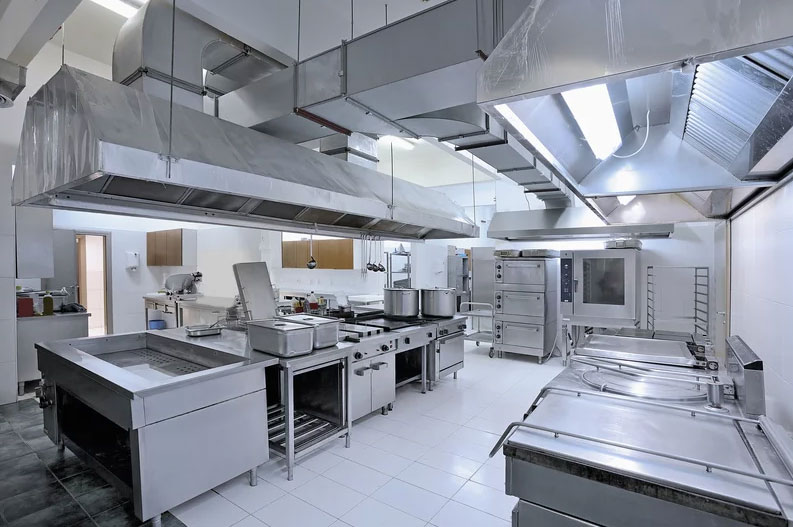
Running a commercial kitchen involves more than preparing great food. Restaurants, cafés, hotels and food production facilities must maintain clean equipment, food preparation areas and working surfaces throughout their operations. But how often should a commercial kitchen be professionally cleaned?
The answer depends on kitchen size, cooking volume, grease accumulation, equipment usage and daily cleaning procedures. While everyday cleaning is essential, periodic deep cleaning helps address stubborn grease and grime in areas that routine cleaning may miss.
In this guide, we explain what affects commercial kitchen cleaning frequency and how businesses can maintain a consistent kitchen hygiene routine.
Why Is Regular Commercial Kitchen Cleaning Important?
Commercial kitchens experience constant activity, from food preparation and cooking to washing equipment and handling waste. Grease, food residue and moisture can accumulate on surfaces, floors, appliances and hard-to-reach areas.
Regular commercial kitchen cleaning in Sydney helps manage this buildup and maintain a clean working environment. It also supports food safety procedures and helps businesses prepare for routine inspections.
A consistent cleaning schedule can help businesses identify cleaning issues early, maintain equipment and keep kitchen areas presentable for staff.
How Often Should a Commercial Kitchen Be Deep Cleaned?
There is no single cleaning frequency suitable for every commercial kitchen. Different areas require different schedules depending on how frequently they are used and how quickly dirt or grease accumulates.
1. Daily Cleaning for Food Preparation Areas
Food preparation surfaces, cooking equipment, sinks and frequently touched areas need regular cleaning throughout operating hours and after use, as appropriate.
Daily cleaning tasks may include:
- Cleaning and sanitising suitable food-contact surfaces
- Removing food residue from preparation benches
- Cleaning spills and visible grease
- Sweeping and mopping floors
- Emptying waste bins
- Cleaning sinks and frequently used equipment
These tasks should form part of the kitchen's regular cleaning procedures.

2. Weekly Cleaning for Grease-Prone Areas
Busy kitchens can develop grease buildup around cooking equipment, splashbacks, walls and other surfaces.
Weekly cleaning may include more detailed attention to suitable equipment exteriors, shelving, wall surfaces and areas that collect food residue. The actual frequency should reflect the level of use and the manufacturer's cleaning recommendations.
3. Periodic Professional Deep Cleaning
When should you arrange professional kitchen steam cleaning?
Professional deep cleaning may be useful when grease, oil and grime accumulate beyond what routine cleaning can adequately address. Depending on the kitchen's workload, businesses may arrange professional cleaning weekly, fortnightly, monthly or at other suitable intervals.
High-volume kitchens may need more frequent attention than smaller operations.
Which Areas Need Professional Kitchen Cleaning?
A thorough commercial kitchen cleaning program should reflect the layout, equipment and specific hygiene requirements of the premises.
Common areas requiring attention include:
- Cooking equipment: Suitable exterior surfaces and grease-prone areas
- Exhaust systems: Appropriate cleaning of accessible components and specialist servicing where required
- Walls and splashbacks: Removal of accumulated grease and food residue
- Floors: Cleaning and degreasing to manage dirt and slippery buildup
- Sinks and wash areas: Cleaning and sanitising as appropriate
- Storage areas: Removal of dust, spills and food residue
- Hard-to-reach areas: Suitable cleaning behind or beneath equipment where accessible
The cleaning method must be appropriate for each surface and piece of equipment. Electrical components and sensitive machinery may require specific procedures.

What Are the Benefits of Professional Kitchen Steam Cleaning?
Steam cleaning can help loosen grease and stubborn grime on suitable surfaces when the correct equipment and method are used.
Professional cleaning teams can assess the areas requiring attention and select an appropriate approach for the kitchen's equipment and surfaces.
Benefits may include:
- Helping remove stubborn grease and residue
- Supporting a consistent cleaning program
- Reaching suitable areas that are difficult to clean manually
- Reducing accumulated grime in frequently used spaces
- Helping maintain the overall condition of kitchen surfaces
Steam cleaning does not replace all cleaning and sanitising procedures. Food-contact surfaces must still be cleaned and sanitised using suitable methods where required.
How Can You Create an Effective Kitchen Hygiene Schedule?
A practical cleaning schedule should identify what needs cleaning, how frequently each task must be completed and who is responsible.
Start by assessing the kitchen's daily workload and identifying areas where grease or food residue accumulates quickly. Record routine cleaning tasks, schedule periodic deep cleaning and review the program whenever operating conditions change.
Businesses should also follow applicable food safety requirements, equipment instructions and relevant workplace procedures.
Why Choose Professional Commercial Kitchen Cleaning in Sydney?
Managing a busy kitchen leaves little time for detailed cleaning of every surface and hard-to-reach area. A planned professional cleaning service can complement your daily procedures and help address areas requiring specialist equipment or additional attention.
Healthy Kitchen provides commercial kitchen steam cleaning and sanitising services, with flexible cleaning schedules for commercial kitchens and food production facilities.
If your restaurant, café or food production business needs a more structured cleaning routine, explore commercial kitchen cleaning services in Sydney to discuss a suitable cleaning program.
Frequently Asked Questions
How often should a restaurant kitchen be professionally cleaned?
The frequency depends on cooking volume, grease accumulation, equipment and the condition of the premises. Some kitchens require frequent professional attention, while others may need scheduled periodic deep cleaning alongside daily cleaning.
Does steam cleaning remove kitchen grease?
Steam cleaning can help loosen grease on suitable surfaces. The results depend on the type and thickness of the buildup, the equipment used and the cleaning method.
Is daily cleaning enough for a commercial kitchen?
Daily cleaning is essential, but it may not address all accumulated grease or hard-to-reach areas. Periodic detailed cleaning may be necessary depending on the kitchen's condition and requirements.
What is included in professional commercial kitchen cleaning?
Depending on the agreed service, it may include cleaning suitable equipment surfaces, floors, walls, splashbacks, grease-prone areas and other parts of the kitchen.
How do I choose the right cleaning schedule?
Consider kitchen activity, equipment usage, grease buildup, food safety procedures and manufacturer recommendations. A professional assessment can help determine an appropriate schedule.